


The Emotion Code in 3 Gentle Steps for Better Energy Sleep and Pain Relief
When pain, poor sleep, or low energy will not shift, it can feel like the body is speaking in a language no one has fully translated yet. Labs may look normal. Rest may help only a little. Stretching, supplements, or diet changes may bring some relief, but not the full change you hoped for.
The Emotion Code offers a gentle way to listen for emotional stress that may be held in the body. It is not a substitute for medical care, and it does not diagnose or treat disease. Instead, it can fit into a naturopathic path by exploring how unresolved emotional patterns may affect the nervous system, sleep quality, pain perception, and day-to-day vitality.
I’m Melissa, certified in The Emotion Code, and I combine this work with naturopathic care so each session stays grounded, safe, and practical. The goal is not to chase a dramatic experience. The goal is to help the body move toward balance and then track real changes, such as energy, sleep, and pain levels over time.

What The Emotion Code is really asking the body
The Emotion Code is based on the idea that emotionally charged experiences can sometimes leave an energetic imprint. These are often called trapped emotions. In this approach, a trapped emotion is not a personality flaw, a weakness, or a sign that someone has failed to process life well enough.
It is simply a pattern the body may still be holding.
Many people know this feeling in everyday language. A tight chest after grief. A stomach that twists before a hard conversation. Shoulders that rise toward the ears during stress. A jaw that clenches during sleep. The body and emotions are closely linked, and research in fields like stress physiology and psychoneuroimmunology continues to show that emotional strain can affect physical function.
The Emotion Code works within that mind-body connection. Using The Emotion Code in the Energy Session (Service at Purely Elevate with Melissa), holistic health, naturopathy, energetic healing, energy medicine, and biological systems healing may come together in a simple, client-centered process. The session is calm, non-invasive, and paced with care.
The three steps are:
Assessment
Identification
Release
Each step matters. Assessment helps us listen. Identification gives the emotion a name and context. Release invites the body to let go and restore balance.
Step 1 starts with assessment and gentle listening
A session begins with listening. I ask what is showing up right now and what changes would feel meaningful. This might include:
Waking often during the night
Feeling drained even after rest
Pain that flares during stress
A sense of heaviness after loss
Tension that returns even after bodywork
Emotional reactivity that feels out of proportion
A body symptom that seems connected to an old event
This conversation is not about retelling every painful detail. Many people worry that emotional healing means they must relive trauma or explain private memories at length. That is not the intention here.
In The Emotion Code, we use gentle muscle testing as a feedback tool. Muscle testing is often described as a way to ask the body yes-or-no style questions. The body’s response may guide us toward whether a trapped emotion is present and ready to be released.
In a practical session, this can look very simple. A client may remain seated or resting comfortably. Testing is gentle and respectful. If something does not feel right, we pause. If the body does not seem ready to explore a certain area, we honor that.
Assessment is the foundation because safety comes first. The nervous system tends to respond best when it does not feel pushed. A calm pace matters, especially for people with chronic pain, trauma history, sleep disruption, or long-term fatigue.
A naturopathic view also asks wider questions. What supports are already in place? Is nutrition affecting energy? Are sleep routines steady? Is pain being properly evaluated? Are there red flags that need medical attention? The Emotion Code can be part of a care plan, but it should not replace appropriate medical assessment.
That grounded view keeps the work centered on real wellbeing, not wishful thinking.

Step 2 identifies the emotion and the pattern around it
After assessment, we begin identifying what emotion may be connected to the symptom or pattern. The Emotion Code uses a structured chart of emotions, and muscle testing helps narrow the field.
This step can feel surprisingly specific.
For example, a person with chronic low back pain may notice the pain worsens around family conflict. Through the session, the body may guide us toward an emotion connected with grief, resentment, fear, or abandonment. That does not mean the emotion “caused” the pain in a simple way. Pain is complex. It can involve injury, inflammation, posture, the nervous system, stress, sleep, and more.
But emotions can influence how the body carries tension and how sensitive the nervous system becomes.
Another person may seek support because sleep changed after a traumatic period. They may fall asleep but wake at the same time each night, alert and uneasy. Identification may point toward emotions such as panic, helplessness, shock, or heartache. Again, this does not replace trauma therapy or medical care. It can support the body in releasing emotional charge that may still be active.
This is where the story matters, but it does not need to take over.
Some sessions reveal a clear memory. Others reveal a general season of life. Sometimes the body identifies an age, relationship, or event. Sometimes the emotion does not need much explanation. The release can still be meaningful without digging for details.
Here are a few ways trapped emotions may show up in a session:
Physical or emotional pattern | Possible emotional connection explored in session |
Chronic pain that flares during stress | Unresolved grief, frustration, fear, or resentment |
Sleep disruption after trauma | Shock, panic, helplessness, or feeling unsafe |
Low energy with emotional heaviness | Sadness, discouragement, guilt, or overwhelm |
Tight chest or shallow breathing | Heartache, anxiety, worry, or vulnerability |
Repeating relationship triggers | Rejection, abandonment, betrayal, or insecurity |
These are not formulas. One person’s shoulder tension may relate to stress at work. Another person’s may relate to caregiving, grief, an old injury, or no emotional pattern at all. The session follows the individual body’s feedback.
A phrase like sleep support, chronic pain wellbeing journey, and mind body healing can sound broad, but in practice it becomes very personal. We are asking one clear question at a time: What is the body ready to release today?
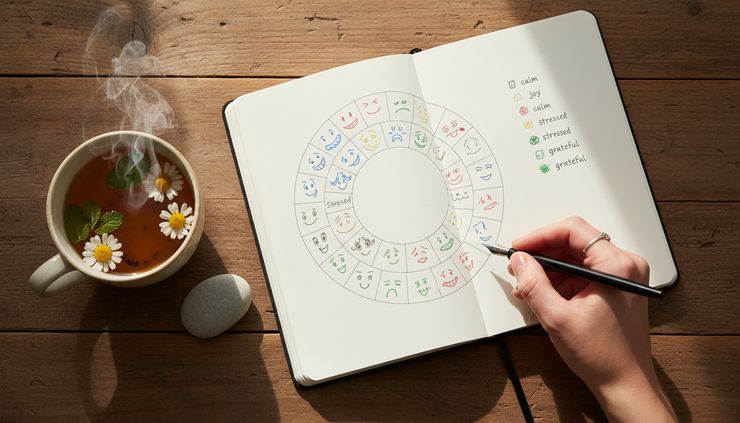
Step 3 releases the emotion in a safe and non-invasive way
Once we identify a trapped emotion, the next step is release.
In The Emotion Code, release is typically done by guiding intention along the governing meridian, often using a magnet or the practitioner’s hand. The process is gentle. There is no force, pressure, manipulation, or invasive technique.
The release step is quiet but focused. I guide the process with care, and we check in with the body afterward. Sometimes the shift feels immediate, like a deeper breath, warmth, lightness, or a softened muscle. Sometimes the change is subtle and unfolds over the next few days.
Different people respond in different ways. A session may bring:
A sense of calm
Emotional lightness
Easier breathing
Less tension in a specific area
Better sleep that night or later in the week
A clearer awareness of a pattern
Temporary tiredness as the body settles
Some people feel very little during the session yet notice changes later. They may realize they did not wake as often, reacted with less intensity, or moved with less discomfort. Others may feel emotional for a short time as the body processes the release.
This is why pacing matters. The goal is not to release as much as possible in one visit. More is not always better. A regulated body often heals more steadily than a body that feels overwhelmed.
After a release, I may suggest simple support for the next day or two:
Drink water
Keep meals nourishing and steady
Rest when possible
Notice changes without overanalyzing
Write down sleep, pain, or energy shifts
Avoid overloading the schedule right after a deep session
This practical follow-up helps connect energetic work to real-life patterns. If pain changes, we note it. If sleep improves, we track it. If energy rises and then dips, we watch for what supports recovery.
Measurable improvement matters. It keeps the work honest and grounded. Feelings are valuable, but patterns over time tell a fuller story.
How this fits into naturopathic care
Naturopathic care looks at the whole person. That includes physical symptoms, lifestyle, stress, sleep, nutrition, emotional health, and the body’s natural ability to restore balance.
The Emotion Code fits well within this model because it honors the connection between emotional stress and physical wellbeing. It can sit beside other supportive care, such as nutrition guidance, sleep routines, nervous system regulation, movement, bodywork, herbal support when appropriate, and referrals when needed.
A session may be especially helpful when someone says:
“I have done so much physical care, but this still feels emotionally connected.”
“My pain gets worse when I am under stress.”
“My sleep changed after a hard event, and my body still feels on alert.”
“I feel stuck, even though I understand the situation logically.”
“I want a gentle approach that does not require reliving everything.”
This approach also respects limits. If symptoms are new, severe, worsening, or unexplained, medical evaluation is needed. If trauma symptoms are intense, therapy with a licensed mental health professional may be an essential part of care. If pain is persistent, a full assessment can help rule out structural, inflammatory, neurological, or other causes.
The Emotion Code does not have to carry the whole healing process. It can be one supportive piece.

What progress may look like after an Energy Session
Progress is often simple. It may not feel dramatic at first, but it becomes clearer when tracked.
A client may notice they fall asleep faster. Another may wake with less heaviness. Someone else may find that a familiar pain pattern still appears, but the intensity is lower or it passes more quickly. A difficult memory may feel less charged. A conversation that used to trigger tears or anger may feel easier to move through.
These shifts are worth noticing because they show how the body is responding.
I often recommend tracking three areas after sessions:
Energy
Energy can change in small ways before it changes in big ones. Look for signs such as steadier mornings, less afternoon crashing, or more capacity for daily tasks.
A simple 1 to 10 rating can help. Rate energy at the same time each day for several days. Patterns are more useful than one perfect day.
Sleep
Sleep changes may include falling asleep faster, waking less often, dreaming more, or feeling more rested. Some people also notice that their body relaxes sooner at night.
Write down bedtime, wake time, night waking, and how rested the body feels in the morning. Keep it simple enough to maintain.
Pain
Pain tracking does not need to be complicated. Note location, intensity, triggers, and what helps. If pain shifts after emotional release, that information can guide future care.
Pain should still be assessed appropriately, especially if it is new, sharp, progressive, associated with injury, or paired with other concerning symptoms.
A gentle path toward real wellbeing
The Emotion Code is not about forcing the body to heal on command. It is about listening, identifying what may be ready to release, and supporting the body as it returns to balance.
The three steps are simple:
Assessment
We listen to what is happening and use gentle muscle testing to sense what the body may be holding.
Identification
We pinpoint specific emotions connected to patterns such as chronic pain, grief, trauma-related sleep disruption, low energy, or emotional heaviness.
Release
We guide safe, non-invasive releases and then watch for measurable changes in energy, sleep, and pain.
Used thoughtfully, The Emotion Code can be a meaningful part of a naturopathic wellbeing plan. It gives the body a quiet way to speak. It gives the healing process a gentle structure. Most of all, it reminds us that emotional and physical health are deeply connected, and both deserve care.


Comments