


OlyLife P90 Plus, Coming Soon to Services at Purely Elevate: A Natural Tool for Your Healing Journey
Healing is rarely one big moment. More often, it is a series of small choices repeated with care: rest, movement, hydration, nutrition, breath, reflection, and support from the right people and tools.
A new service featuring OlyLife P90 Plus is coming soon at Purely Elevate with Melissa Domingo CAHP, CHHP, BCP3, offering a natural wellness option designed to fit into that kind of steady, personal journey. For many people, the appeal is simple. They want support that feels gentle, practical, and aligned with the body’s own pace.
This post shares what to expect, how this kind of service may fit into a healing journal, and how to prepare for a more mindful experience when it becomes available.
This article is for informational wellness education only. It is not medical advice, diagnosis, or treatment. Always speak with a qualified health professional about medical concerns or changes to your care plan.

A new service built around gentle wellness support
The phrase “healing journey” can mean many things. For one person, it may mean recovering energy after a stressful season. For another, it may mean building better daily habits, learning to listen to the body, or adding new wellness practices alongside conventional care.
The upcoming OlyLife P90 Plus service with Melissa Domingo is best understood in that supportive context. It is not a magic fix. It is not a replacement for medical care. It is a wellness tool that may become one part of a larger plan.
That distinction matters.
Natural tools are most useful when they are used with realistic expectations. A journal, a breathing practice, a red light session, massage, meditation, movement, nutrition, and restorative rest can all play a role in how someone feels day to day. None of them need to carry the full weight of healing alone.
A thoughtful wellness service should help people slow down, pay attention, and notice patterns. That is where a guided experience can be valuable. Rather than trying something once and guessing whether it helped, a person can track the experience over time.
A healing journal can make that process clearer.
Why a healing journal is a powerful companion
A healing journal is not just a notebook full of symptoms. At its best, it becomes a record of what supports the body, what drains it, and what deserves more attention.
Many people move through their days on autopilot. They may know they feel tired, tense, inflamed, restless, foggy, or emotionally stretched, but they may not know what patterns sit underneath those feelings.
A journal can reveal those patterns. It can show whether sleep improves after quiet evenings. It can show whether discomfort changes after movement. It can show how stress, hydration, food, mindset, or wellness sessions relate to how the body feels.
That kind of awareness can be deeply useful.
For a new service like this, a healing journal may help track:
How the body feels before a session
Energy levels later that day
Sleep quality that night
Mood and stress levels
Physical sensations that stand out
Hydration and nutrition habits
Questions to ask at the next visit
The goal is not to overanalyze every sensation. The goal is to become a better witness to the body.
A good entry can be short. A few honest lines are often enough.
Example:
“Before today’s session, I felt tense through my shoulders and low on energy. Afterward, I felt calmer and more aware of my breathing. I drank more water in the afternoon and slept deeply for the first half of the night.”
That kind of simple record gives context. Over time, it helps turn vague impressions into a clearer story.

What makes a natural tool feel supportive
A natural wellness tool should respect the body’s pace. It should invite attention, not pressure. It should pair well with healthy habits instead of encouraging someone to ignore their limits.
That is an important mindset for any healing journey.
When people hear about a new device or service, they may hope for fast answers. That is understandable, especially for anyone who has spent time feeling unwell or searching for relief. But the most lasting forms of support usually work best as part of a rhythm.
A natural wellness practice may feel supportive when it is:
Gentle
Consistent
Grounded
Personal
Trackable
It does not push the body into overwhelm.
It can be repeated and observed over time.
It fits alongside sleep, hydration, nutrition, movement, and care from qualified professionals.
It allows room for each person’s needs, comfort level, and response.
It gives someone a way to notice changes without guessing.
This is where guidance matters. Melissa Domingo's role in offering the service can help create a more thoughtful setting, especially for people who want support but also want clarity.
A natural tool should not be surrounded by exaggerated claims. It should be introduced with care, explained plainly, and used in a way that helps people feel informed.
How OlyLife P90 Plus may fit into a whole-person routine
Wellness is rarely one thing. The body responds to many inputs during the day, including sleep, food, stress, light, movement, posture, emotional safety, and connection.
A service built around OlyLife P90 Plus may fit best when it becomes part of a larger whole-person routine. That does not mean life has to become complicated. In fact, simple routines are often easier to keep.
A supportive routine might include:
Drinking water before and after a session
Taking a few quiet minutes to breathe
Writing a short journal entry
Going for a gentle walk later in the day
Eating nourishing food
Avoiding a packed schedule immediately afterward
Noticing sleep, mood, and energy over the next day or two
The quiet space around a session can be just as meaningful as the session itself. Many people are used to rushing from one task to the next. A wellness appointment can become a pause, a chance to listen inward and reset the tone of the day.
That pause matters.
The body often gives signals before it gives answers. A natural tool may help someone notice those signals more clearly, especially when paired with journaling and mindful follow-up.
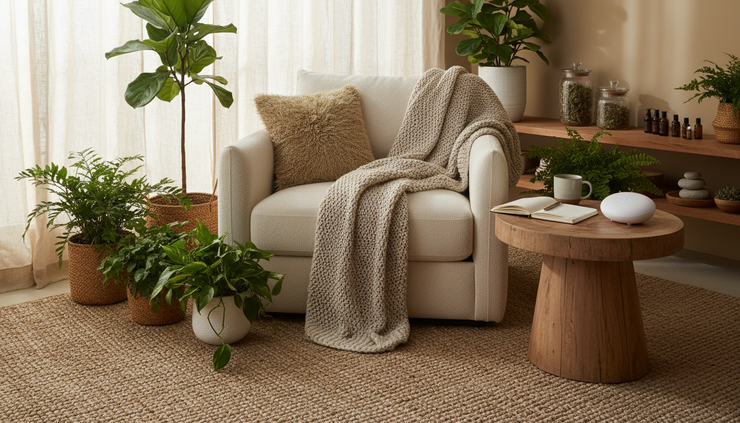
What to ask before trying the new service
Curiosity is good. So is discernment. Before starting any new wellness service, it helps to ask clear questions.
Good questions create safety, trust, and realistic expectations.
Consider asking:
What should I expect during the session?
A clear answer should explain the general flow of the experience, how long it may take, what the setting feels like, and how to prepare.
Are there any reasons this may not be right for me?
This is especially important for people who are pregnant, have implanted medical devices, live with serious health conditions, or are under active medical treatment. A qualified provider should welcome safety questions.
How often do people usually schedule sessions?
The answer may vary based on goals, health history, availability, and personal response. Be cautious of anyone who promises a single schedule for everyone.
What should I track afterward?
This connects directly to the healing journal. Helpful things to track include energy, sleep, mood, comfort, hydration, and any unusual reactions.
How does this fit with my current care?
A natural tool should not compete with medical care. It should be considered in the wider context of a person’s health plan.
These questions are not signs of doubt. They are signs of wise participation.
Preparing for your first session when it becomes available
When a new service is “coming soon,” it gives people time to prepare thoughtfully. You do not need to wait until the first appointment to start building awareness.
Begin with a simple baseline.
For one week, write down a few notes each day:
Sleep quality
Energy level
Stress level
Areas of tension or discomfort
Mood
Hydration
Movement
Anything that seemed to help
Keep it simple. A scale from 1 to 10 can work well for energy, stress, and sleep. A few words can cover the rest.
For example:
Day | Energy | Sleep | Stress | Notes |
Monday | 5 | 6 | 7 | Neck tension, skipped lunch, short walk helped |
Tuesday | 6 | 7 | 5 | More water, calmer evening, better mood |
Wednesday | 4 | 5 | 8 | Poor sleep, felt foggy, early bedtime planned |
This kind of baseline gives you something to compare later. If you try the service, your journal can help show whether anything shifts over time.
Before a first visit, it may also help to:
Wear comfortable clothing
Drink water
Avoid arriving rushed
Bring your journal
Write down questions ahead of time
Notice how you feel before the session begins
The first session does not need to be dramatic to be meaningful. Sometimes the most useful first step is simply becoming more present.
The role of Melissa Domingo in a guided wellness experience
A tool is only part of the experience. The way it is introduced, explained, and supported matters.
Melissa’s involvement gives the upcoming service a guided frame. That can help people who want more than a device-based session. They may want context, thoughtful conversation, and a way to connect the service to their broader healing goals.
A guided experience can help with three things.
Clarity
People deserve plain language. They should understand what a service is meant to support, what it is not meant to do, and how to use it responsibly.
Comfort
A calm setting and a respectful provider can help someone feel at ease. That sense of comfort can shape the whole experience.
Reflection
Healing often brings questions. A guided setting can help people reflect on what they notice, what they hope for, and what patterns appear in their journal.
The best wellness experiences do not rush people. They create space.
Keeping expectations honest and hopeful
Hope is valuable. False certainty is not.
When a new natural wellness service becomes available, it is normal to feel excited. It is also wise to stay grounded. Bodies are complex. Healing timelines vary. What feels supportive for one person may feel different for another.
That does not make the tool less valuable. It simply means the experience should be approached with honesty.
A balanced mindset might sound like this:
“I am open to support. I will pay attention to how I feel. I will keep my expectations realistic. I will continue to seek appropriate care when I need it.”
That mindset protects both hope and common sense.
It also keeps the healing journal from becoming a scorecard. The journal is not there to prove something worked overnight. It is there to help you notice, reflect, and make informed choices.
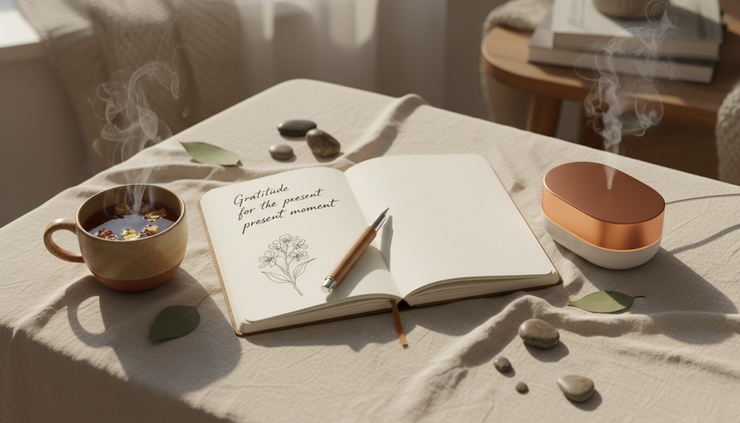
A thoughtful next step toward natural support
The upcoming OlyLife P90 Plus service with Melissa Domingo offers a gentle invitation: slow down, listen to the body, and add a natural tool to a larger healing routine.
The real value may come from the full experience around it. The quiet room. The guided support. The journal entry before and after. The glass of water. The walk later in the day. The decision to notice what the body has been trying to say.
Healing is personal. It is often uneven. It asks for patience.
A natural tool can support that path when it is used with care, clear expectations, and respect for the whole person. As this new service becomes available, the best preparation is simple: begin listening now, write down what you notice, and stay open to support that helps you move forward one steady step at a time.
To learn more and schedule a free 15 min. Discovery call, click the link -> Book Online
2 Case Studies to view on YouTube:
https://youtu.be/zzDnpCRwFws?is=sDDLBoS7PU2WMzWW Dr. Mark DeBrincat's Case Study with Brain Mapping Using the P-90+


Comments