


Essential Oils for Wellness Safe Uses Benefits and Holistic Healing
A tiny bottle of essential oil can feel almost too simple. A few drops of lavender in a diffuser, peppermint diluted onto tense shoulders, or tea tree added to a skin care routine, and suddenly your day has a little more calm, clarity, or comfort.
That doesn’t mean essential oils are magic. They’re concentrated plant extracts, and they deserve the same respect you’d give any wellness tool. Used thoughtfully, they can support relaxation, sleep, skin care, breathing comfort, and everyday stress management. Used carelessly, they can irritate skin, trigger headaches, or interact poorly with certain health conditions.
This guide walks through how essential oils work, which oils are most useful, how to apply them safely, and where they fit in a holistic health routine.

What essential oils actually are
Essential oils are aromatic compounds extracted from plants. They can come from flowers, leaves, roots, bark, resin, peels, or seeds. Common extraction methods include steam distillation and cold pressing, especially for citrus oils.
Because they’re concentrated, a little goes a long way. For example, it takes a large amount of plant material to produce a small bottle of oil. That concentration is why essential oils can smell powerful and act strongly on the skin or respiratory system.
Most people use essential oils in three main ways:
Aromatically Breathing in the scent through a diffuser, steam, or direct inhalation.
Topically Applying the oil to the skin after diluting it in a carrier oil.
In household routines Adding certain oils to DIY cleaning blends, laundry fresheners, or room sprays.
The National Center for Complementary and Integrative Health notes that some essential oils have been studied for stress, anxiety, sleep, headaches, and skin concerns, but research varies by oil and use. That’s a helpful way to think about them: supportive, and complimentary to your healthcare routine.
Essential oils can complement healthy habits, enhancing both physical and mental well-being through their diverse properties and applications.
How scent can affect your body and mood
Scent is closely tied to the brain’s emotional and memory centers. That’s why a smell can bring back a childhood memory in seconds, or why a fresh citrus scent can make a room feel brighter.
When you inhale essential oil molecules, scent receptors send signals to the olfactory system. This system connects with areas of the brain involved in emotion, alertness, and relaxation. That’s one reason aromatherapy is commonly used for stress relief and mood support.
There’s also the simple ritual effect. Taking 60 seconds to pause, breathe, and apply a calming scent can shift your nervous system out of “go, go, go” mode. The oil helps, but so does the pause.
That’s where essential oils a natural remedy for health and wellness can make sense. They can become a gentle cue that reminds your body to slow down, reset, or refocus.
Popular essential oils and how they may help
Different oils have different aromas, chemical profiles, and common uses. Here are some of the most loved options and how they fit into daily wellness.
Lavender can support calm and sleep
Lavender is the oil many people start with, and for good reason. It has a soft floral scent that many find soothing. Research suggests lavender aromatherapy may help with relaxation and sleep quality for some people.
Try lavender when:
You’re winding down before bed
You feel tense after a stressful day
You want a calming scent during meditation
You’re making a gentle body oil or bath blend
A simple bedtime routine can be as easy as adding a few drops to a diffuser 30 minutes before sleep, or applying diluted lavender oil to the wrists or chest.
Peppermint can help you feel refreshed
Peppermint oil has a cool, sharp scent that feels instantly energizing. It’s often used for mental focus, tension, and occasional digestive discomfort.
Some studies have looked at peppermint oil for tension headaches when applied topically in diluted form. Enteric-coated peppermint oil capsules have also been studied for irritable bowel syndrome, though that’s a very different use than aromatherapy and should be discussed with a clinician.
Try peppermint when:
You need an afternoon pick-me-up, open up the bottle and smell the scent directly
Your head feels heavy or tense, dilute with fractionated coconut oil and apply on the back of neck and/or temples
You want a cooling massage blend
You want a clean, fresh scent in a room
Don’t apply peppermint oil near the eyes, and be careful using it around young children. Its strong menthol content can be irritating.
Tea tree can support skin care routines
Tea tree oil is known for its crisp, medicinal scent and is often used in skin care. Research suggests tea tree oil may help with mild acne and some fungal skin concerns, though results vary and it can irritate sensitive skin.
Try tea tree when:
You want to add it to a blemish-care routine
You’re making a diluted foot oil
You want a fresh scent for cleaning blends
You need an oil with a clean, herbal aroma
Always dilute tea tree before applying it to skin. A patch test is smart, especially if your skin reacts easily.
Eucalyptus can support clear breathing
Eucalyptus has a cool, camphor-like scent that many people associate with easier breathing. It doesn’t “cure” congestion, but inhaling the aroma may help you feel more open and refreshed.
Try eucalyptus when:
You’re taking a steamy shower
The air feels stale
You want a spa-like diffuser blend
You’re making a chest rub with proper dilution
Avoid using eucalyptus oil on or near the face of babies and young children. It’s also best to check with a healthcare professional if you have asthma or chronic respiratory issues.
Lemon and sweet orange can lift the mood
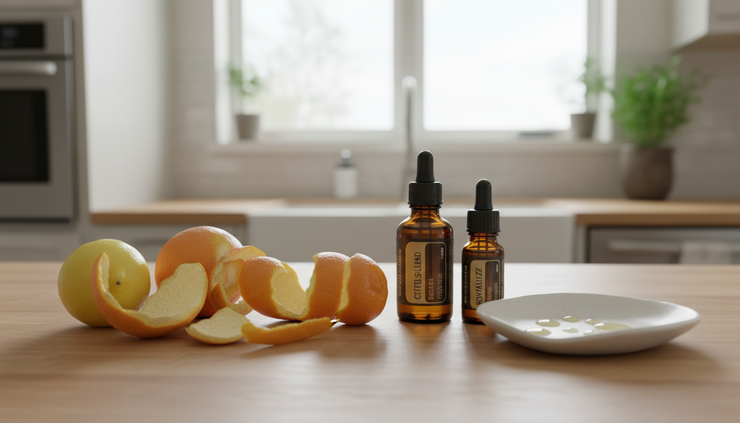
Citrus oils smell bright, clean, and cheerful. Lemon, sweet orange, grapefruit, and bergamot are popular in diffusers because they make a room feel fresh without the heaviness of perfume.
Try citrus oils when:
You want help waking up in the morning
You’re cleaning your kitchen
You want a cheerful diffuser blend
You’re trying to replace synthetic room sprays
One caution: many citrus oils, especially cold-pressed lemon, lime, and bergamot, can increase sun sensitivity when applied to skin. If you use citrus oil topically, choose steam-distilled options when available or avoid sun exposure on that area.
Frankincense can support grounding rituals
Frankincense has a warm, resinous scent that feels grounding. People often use it during prayer, meditation, breathwork, or quiet evening routines.
Try frankincense when:
You’re building a calming ritual
You want a deeper scent than lavender
You’re practicing yoga or meditation
You want a soothing facial oil blend, properly diluted
Frankincense is known as the oil of truth, aiding in the development of new perspectives and is especially effective when working on transforming belief patterns during an Energy Session.
In moments of uncertainty, turn to frankincense. It is most beneficial when used intentionally rather than for routine applications.
Rosemary can support focus and alertness
Rosemary has an herbal, stimulating scent. Some small studies suggest rosemary aroma may support alertness and cognitive performance, though more research is needed.
Try rosemary when:
You’re studying or reading
You want a clear, herbal diffuser blend
You’re making a scalp massage oil
You need a scent that feels fresh but not sweet
People who are pregnant, have epilepsy, or have certain health conditions should ask a clinician before using rosemary oil.
Safe ways to use essential oils
Essential oils are natural, but natural doesn’t always mean gentle. Poison ivy is natural too. The key is using the right amount, in the right way, for the right person.
Dilute oils before applying them to skin
Most essential oils should not be used neat, meaning undiluted, on skin. Dilution lowers the chance of irritation, redness, or sensitization.
A common adult dilution range is:
Use | Suggested dilution | Easy example |
Face or sensitive skin | 0.5% to 1% | 1 to 2 drops per 2 teaspoons carrier oil |
Daily body use | 1% to 2% | 2 to 4 drops per 2 teaspoons carrier oil |
Short-term targeted use | 3% | 6 drops per 2 teaspoons carrier oil |
Good carrier oils include jojoba, fractionated coconut oil, sweet almond oil, olive oil, and grapeseed oil.
Patch test first
Before using a new oil on a larger area, test it.
Apply a small amount of the diluted oil to the inner forearm. Wait 24 hours. If you notice burning, itching, rash, or redness, don’t use it on your skin.
Don’t ingest oils casually
Some essential oils are used internally, reading the bottle for warnings and how to use it is important. Essential oils are highly concentrated and can irritate the mouth, throat, stomach, and liver.
Unless you’re working with a qualified professional and using a product labeled for that type of use, stick with aromatic and topical methods.
Be extra careful around kids, pets, and pregnancy
Children, pets, and pregnant people can be more sensitive to essential oils.
For kids, use lower dilutions and avoid strong oils like peppermint and eucalyptus near the face. For pets, especially cats, use oils with great caution. Cats process certain compounds differently, and some oils can be dangerous to them.
During pregnancy or while nursing, ask a healthcare professional before using oils regularly. Some oils are best avoided.
If you're unsure, apply the oils to the soles of your feet. You can layer each oil and then wear socks.
Store them properly
Essential oils last longer when protected from heat, light, and air. Keep them in dark glass bottles with the caps tightly closed. Store them away from children and pets.
Easy application methods that actually fit real life
You don’t need a complicated setup. The best method is the one you’ll use safely and consistently.
Diffusion for mood and atmosphere
A diffuser spreads tiny aromatic particles into the air. This is great for relaxation, focus, or creating a cleaner-smelling space.
Use these simple guidelines:
Start with 3 to 5 drops, not 15
Diffuse for 30 to 60 minutes at a time
Keep the room ventilated
Stop if you get a headache or nausea
Avoid continuous diffusion around pets or young children
A calming evening blend could be lavender, frankincense, and sweet orange. A morning blend could be lemon, rosemary, and peppermint, as long as peppermint is appropriate for your household.
Steam inhalation for a spa-like reset
Add 1 drop of eucalyptus or lavender to a bowl of hot water, then breathe the steam from a comfortable distance. Keep your eyes closed and don’t put your face too close to the water.
This can feel soothing, especially when the air is dry or you want a quick reset. This is especially great if you have a stuffy nose. Skip steam inhalation for children unless a clinician recommends it.
Topical massage for tension and relaxation
Mix essential oils with a carrier oil and massage into the neck, shoulders, feet, or hands. This combines the benefit of touch with the effects of scent.
Try this simple relaxation blend:
2 teaspoons carrier oil
2 drops lavender
1 drop frankincense
1 drop sweet orange
Massage it into the shoulders, chest, or soles of the feet after a warm shower.
Baths for full-body unwinding
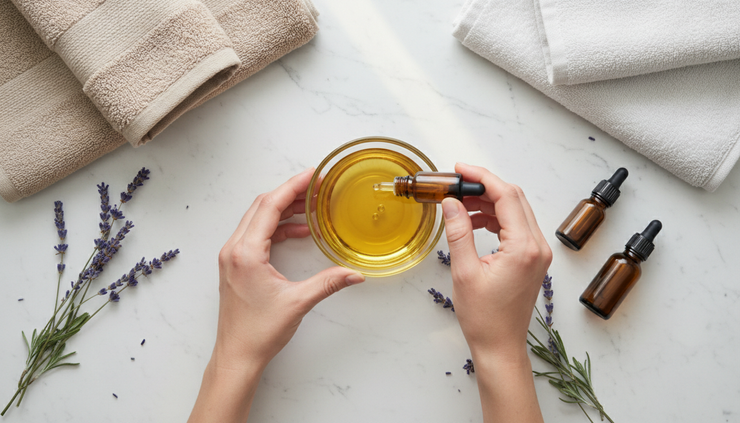
Never drop essential oils straight into bathwater. Oil and water don’t mix, so the drops can float on top and touch your skin undiluted.
Instead, mix essential oils with a dispersing ingredient or carrier first. A simple option is to blend a few drops into unscented bath gel before adding it to the tub. Keep the total amount low, usually 3 to 5 drops for a full adult bath.
I love creating my favorite bath blend by combining essential oils with Epsom salt, baking soda, and a bit of hydrogen peroxide in a glass mason jar. I prepare this near the tub since the hydrogen peroxide reacts with the baking soda and bubbles up. I add it gradually before pouring the mixture into the warm bath water.
Use caution with “hot” oils like cinnamon, clove, oregano, and thyme in baths. They can burn or irritate skin.
Roll-ons for quick support
Roll-on bottles are handy for travel, work bags, or bedside tables. Fill a roller with carrier oil and a safe dilution of essential oil. Apply to pulse points, temples, shoulders, or wrists, depending on the oil.
A focus roll-on might include rosemary and lemon. A sleep roll-on might include lavender and cedarwood.
How essential oils fit into holistic wellness
Holistic health is about the full picture: sleep, nutrition, movement, stress, relationships, environment. Essential oils can support that picture, but they don’t carry it alone.
Think of oils as cues and companions.
Lavender can cue your brain that bedtime is near. Peppermint can make your afternoon walk feel more refreshing. Tea tree can support a simple skin care routine. Lemon can make cleaning feel less harsh and more pleasant.
If your goal is to purely elevate your health with essential oils, start by pairing them with habits that already matter.
Try these simple pairings:
Wellness habit | Essential oil pairing | How to use it |
Better sleep | Lavender or cedarwood | Diffuse before bed or use a diluted roll-on |
Stress relief | Frankincense or bergamot | Inhale during breathwork or meditation |
Movement | Peppermint or rosemary | Use in a diluted massage oil after exercise |
Skin care | Tea tree or lavender Ylang Ylang or Geranium | Add safely diluted oil to a targeted routine |
Cleaning | Lemon or eucalyptus | Add to a DIY surface spray with proper safety care |
The real benefit often comes from consistency. A five-minute ritual every evening can do more than a complicated routine you only do once.
Choosing quality essential oils
Quality matters. Poorly stored, adulterated, or synthetic oils may smell nice, but they won’t offer the same experience and may increase irritation.
Look for oils that provide:
The common name and Latin botanical name
The plant part used
The extraction method
Clear safety guidance
Batch testing or quality information
Dark glass packaging
For example, “lavender” should ideally list the botanical name, such as Lavandula angustifolia. That helps you know what you’re actually buying, since different species can have different uses and safety notes.
Price can also give clues. If a rare oil is sold for suspiciously cheap, be cautious. True rose, sandalwood, and frankincense oils are typically more costly because the raw materials and extraction process are expensive.
A simple beginner routine
If you’re new to essential oils, keep it simple. You don’t need 30 bottles.
Start with three oils:
Lavender Best for calm, bedtime, and gentle skin support when diluted.
Peppermint Best for focus, freshness, and cooling massage blends.
Lemon or sweet orange Best for mood, cleaning, and a bright household scent.
Then add one carrier oil, such as jojoba or fractionated coconut oil, and one diffuser if you want aromatic use.
Try this weekly rhythm:
Morning Diffuse citrus for 20 to 30 minutes while getting ready.
Afternoon Use a diluted peppermint roll-on for a refreshing scent.
Evening Diffuse lavender or apply diluted lavender to your wrists before bed.
Weekend Make a simple room spray or massage oil for the week.
That’s enough to experience the benefits without overdoing it.

A few smart cautions before you begin
Essential oils are powerful, so listen to your body. If a scent makes you feel dizzy, nauseated, tight in the chest, or headachy, stop using it. More isn’t better.
Avoid applying oils to broken skin, eyes, inner ears, or mucous membranes. Wash your hands after handling oils, especially before touching your face.
If you have asthma, allergies, migraines, epilepsy, liver disease, cancer, or take regular medication, talk with a healthcare professional before making essential oils a regular part of your routine.
And if you’re using oils for a symptom that doesn’t improve, gets worse, or keeps coming back, get medical advice. Natural support is helpful, but it shouldn’t delay proper care.
If you’re ready to explore high-quality oils and build a simple routine, you can browse wellness-focused essential oils here.
Let essential oils support the life you’re already building
Essential oils work best when they’re used with common sense. Choose a few oils you enjoy, learn their safety guidelines, dilute them well, and connect them to habits that already support your health.
A calming scent before bed won’t fix a packed schedule, but it can help you pause. A bright citrus blend won’t replace fresh air and movement, but it can make your home feel lighter. That’s the sweet spot: small rituals that support physical and mental well-being without pretending to do everything.
Start small, pay attention, and let essential oils become one thoughtful part of a balanced, holistic routine.


Comments